The Monster

Cursed by giants, all are made equal in ruin.

Be they beast or man, lowborn or crowned, each was once seized by the throat of fate.

Now, with their will unextinguished, they wander—monstrosities unbound, lingering in a world that no longer remembers their names.

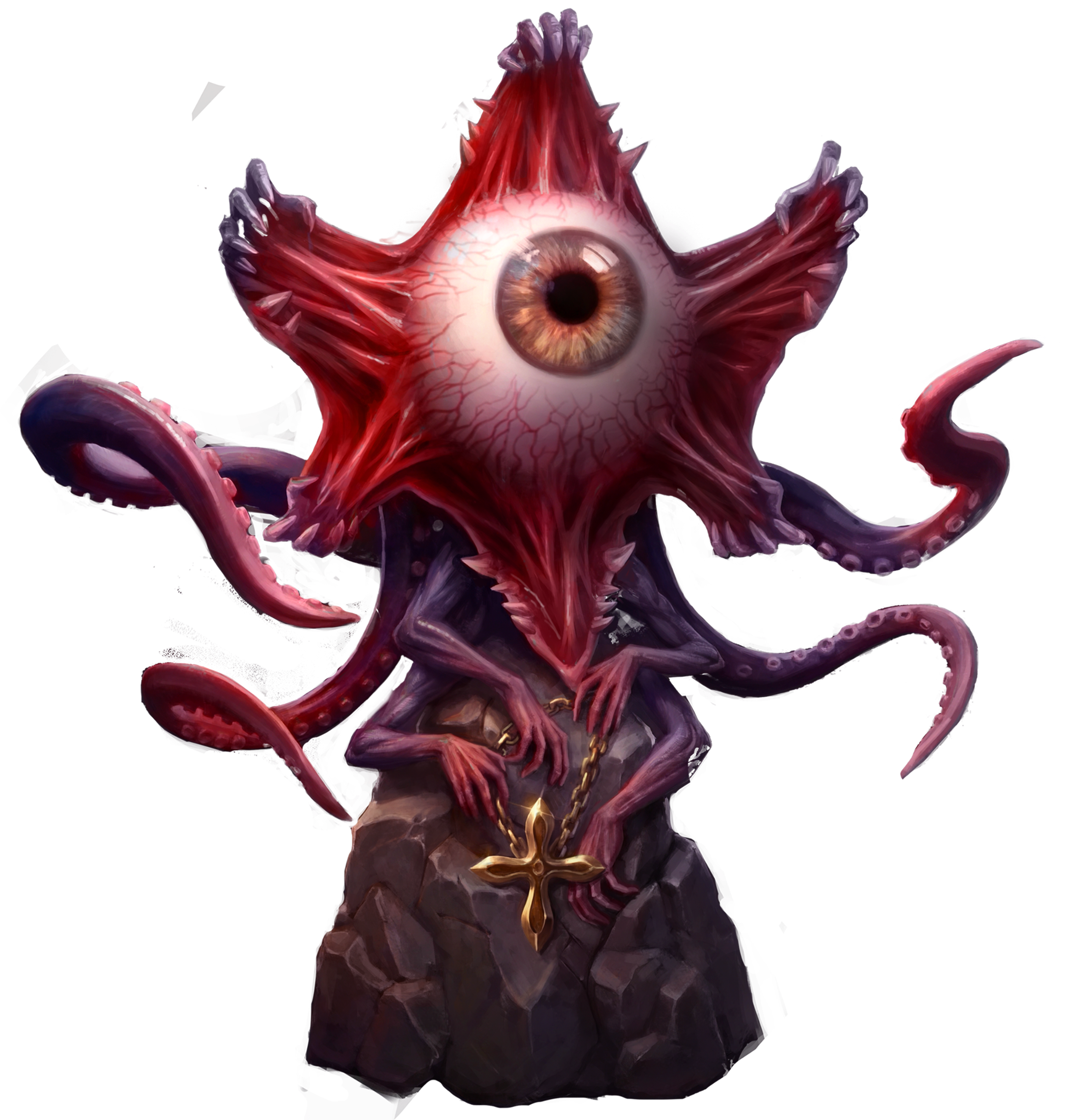
The Watcher

He was no more than a villager—small of mind, smaller of will.
A hand too quick for things not his, a habit of taking what was left unwatched.

It was a trinket, nothing more.
A piece of cursed ornament, half-buried where no one dared linger.
He took it anyway.

The change was not swift.
Sight came first—too sharp, too wide, until all else faded beneath it.

Now he wanders the blighted ground, no longer man, nor thief, but a single, swollen eye.

Forever watching.
Forever wanting.

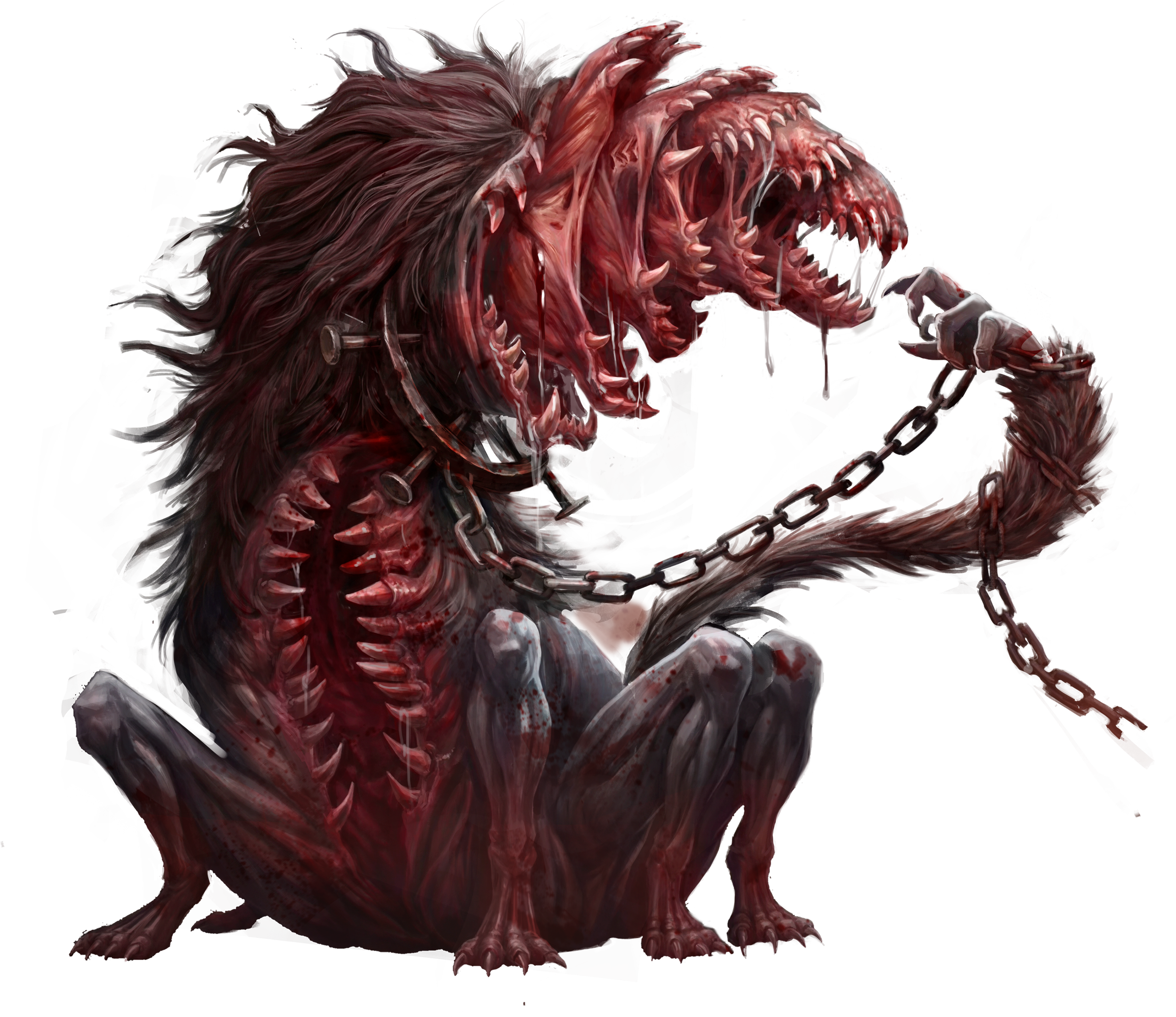
The Biter

It was once a stray, thin and restless, wandering the outskirts where the living seldom tread.
It fed on what the land would give, rot, bone, and the forgotten dead.

One night, it found something more.
Flesh too vast to name, still warm with a lingering curse. It tore and fed without pause.

The change came with hunger, and the hunger did not end.

Now it prowls the fields it once knew, its body twisted, its maw never still.
No longer a scavenger, but a thing drawn to the scent of life,
chasing a hunger that will never be filled.

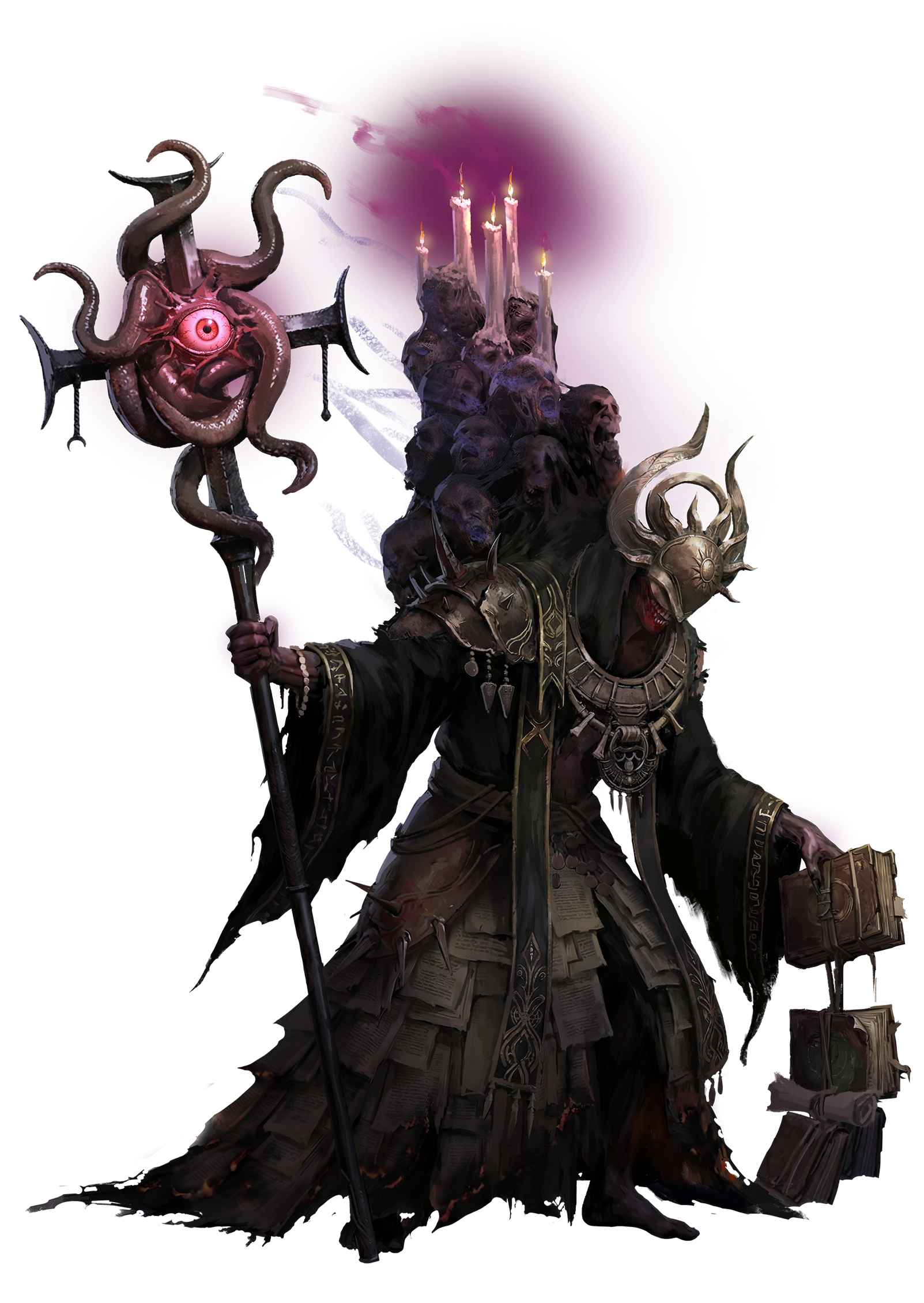
The Archivist

He was once a seeker of remedies, a quiet Archivist who wandered through dust-choked stacks and forbidden tomes, tracing the origins of a creeping blight.
In brittle pages and whispered margins, he sought a cure—something to wrest hope back from a world already leaning toward decay.

But knowledge is a patient rot.

When the true calamity descended, it did not arrive as a storm, but as a revelation—one he alone could read, and never survive.
The seeker did not perish. He was rewritten.

Now, where he walks, ink turns to filth and scripture to contagion.
The Archivist, once a keeper of answers, has become a vessel of ruin—
his hands scattering plague across the earth, as if still searching…
for a cure that died with him.

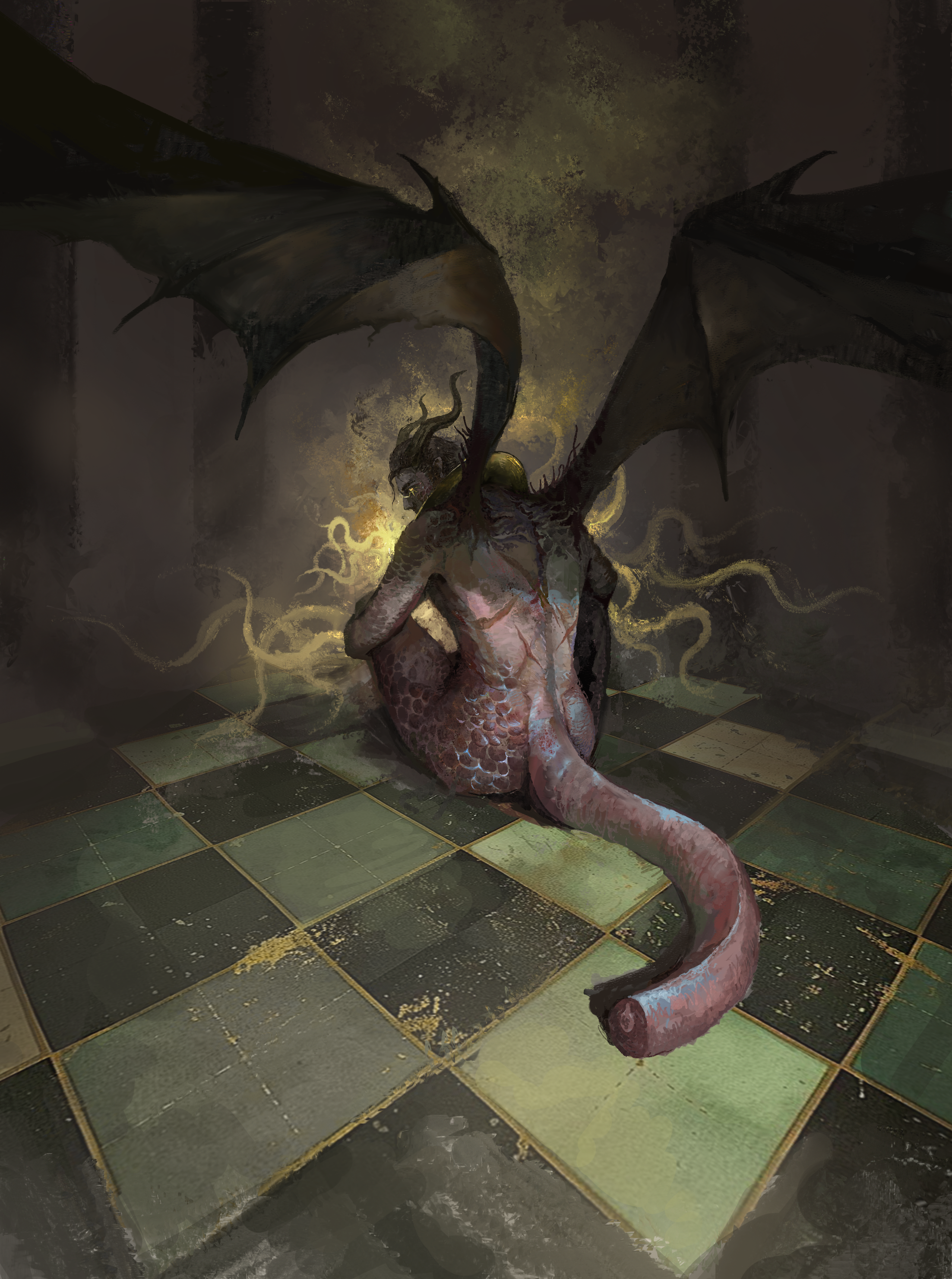
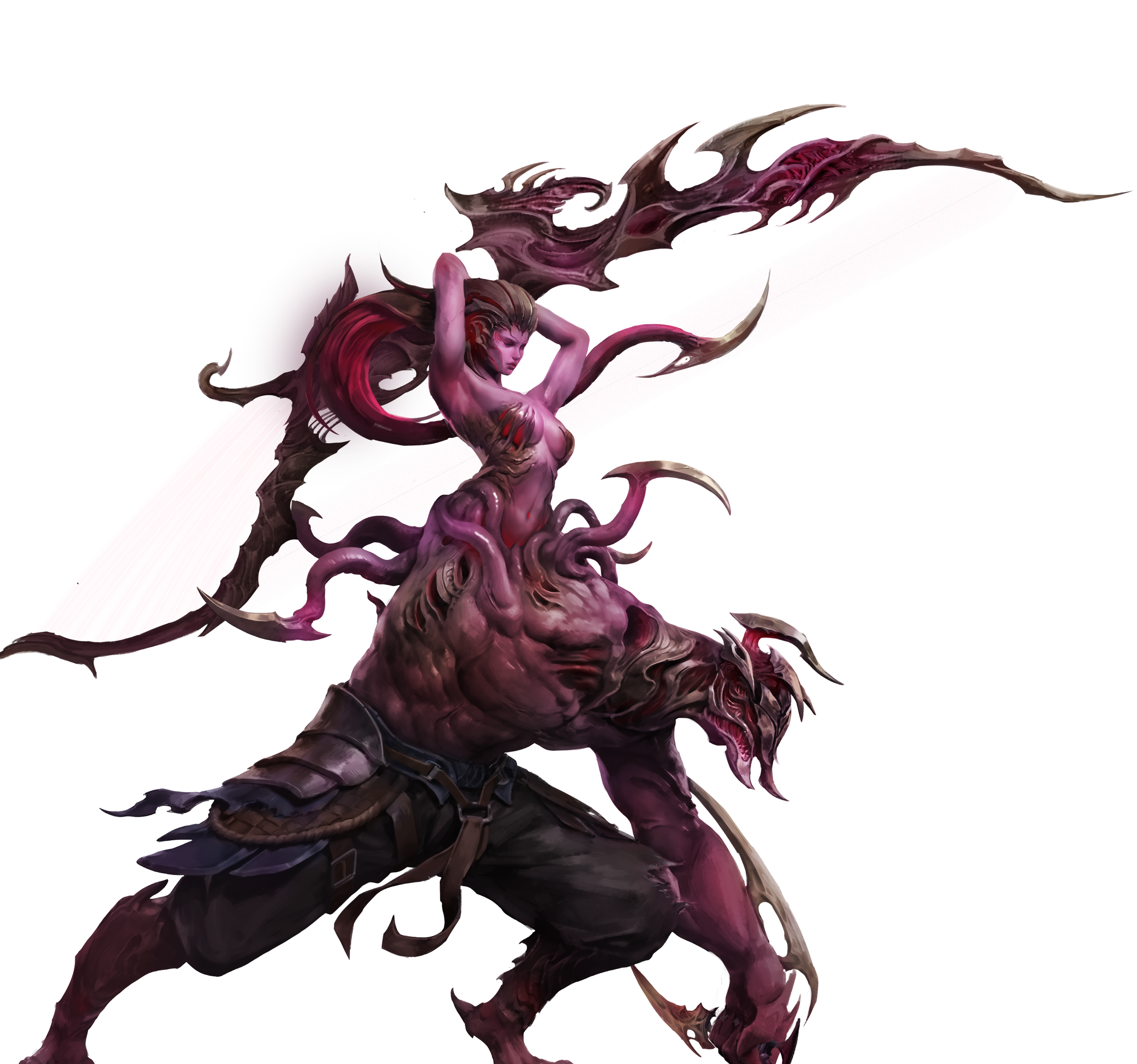
The Lover

They were lovers, and more than lovers—
two souls entwined, bound not only by devotion, but by the quiet certainty of shared fate.

In life, they stood as one.
In death, they refused to part.

When calamity came, it did not sever them.
It drew them closer—too close.
Limbs knotted where embrace once lingered, bones twisting into a single, unyielding frame.
Flesh dissolved its boundaries, surrendering to a union no vow could ever hold.

What remains is no longer two, nor wholly one.
A form that breathes in tandem, moves in discord,
yet cannot be undone.

And if there was horror in their becoming—
it has long since been forgotten.

For within that writhing shape, there is no grief, no parting, no end.
Only a love that refused to die,
and so was made eternal.

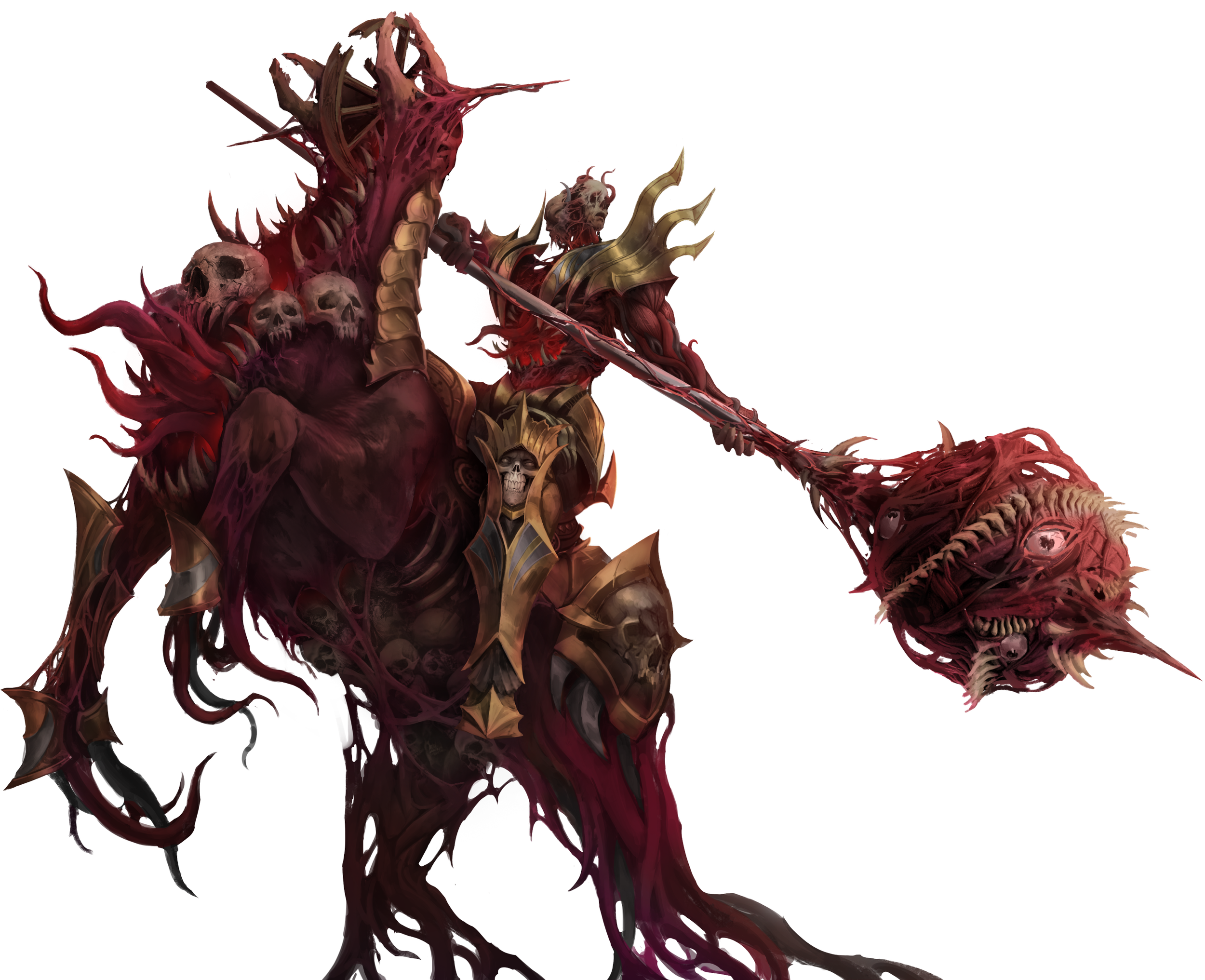
The Marshal

When the giants descended at the king’s command to resist, he took the mantle of command without question.
From the frontlines he led—riding at the head of the charge, rallying broken ranks, dividing what little remained of men and supply into a force that could still fight.

For land and people, he bled without retreat, never yielding a single step.

But when the filth took root within him, it did not halt his advance.
His mind dimmed, his purpose hollowed, yet still he rode—again and again—into a war already ended.
The fortress was gone. The people, long scattered or devoured.

And yet he charged on.

No longer to defend, nor to command—
only to answer an order that still echoed within his bones,
until nothing remained but slaughter,
and a body that refused to fall.

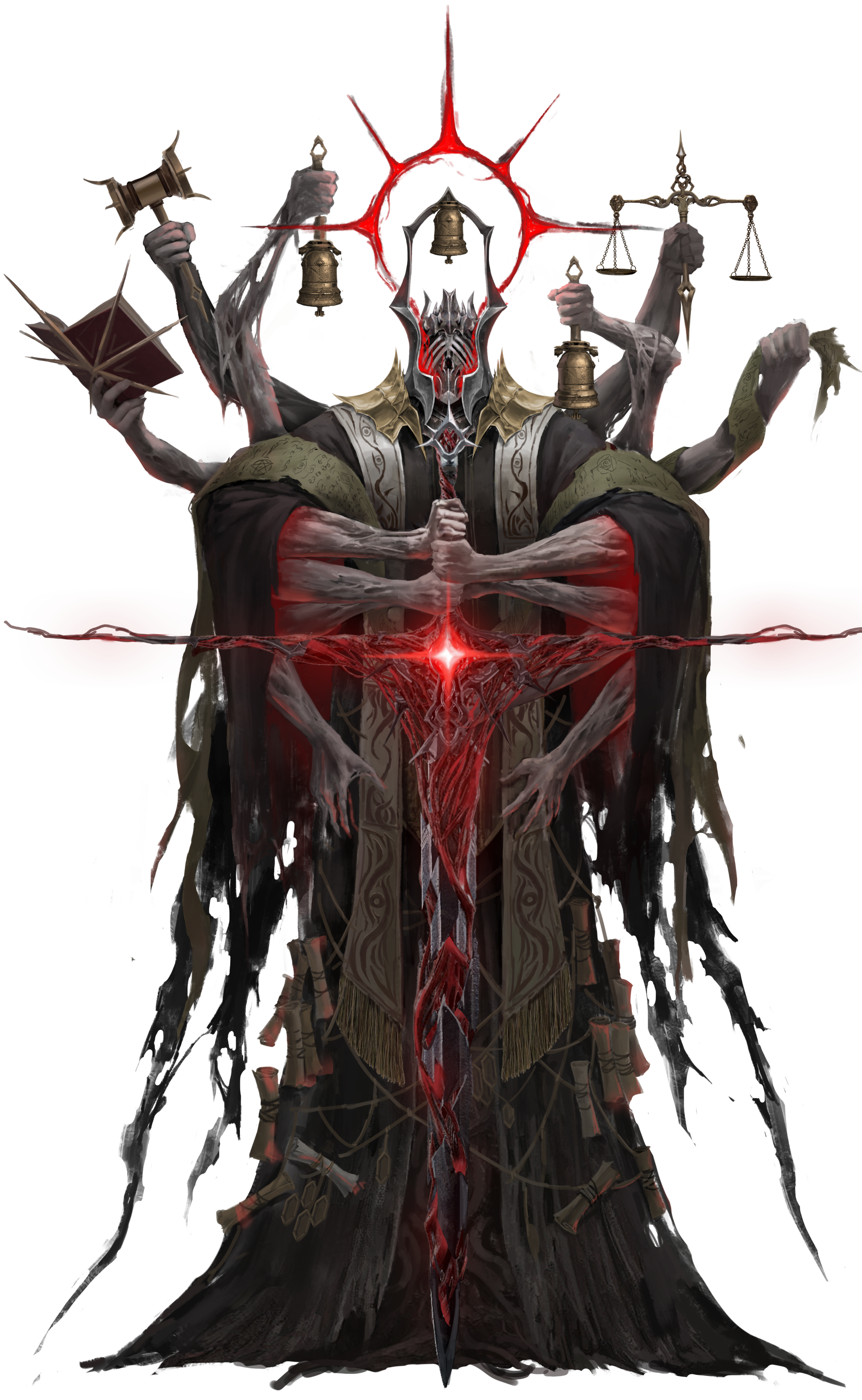
The Inquisitor

He once bore the scales, weighing sin with an unyielding hand.
From a silent dais he pronounced verdicts that no voice could challenge, not for crown, nor coin, nor kin would he ever turn his gaze.
To him, justice was not mercy. It was measure.

The guilty were named. The sentence, carried. And the world, for a time, remained in order.

But the law etched into his soul has begun to warp. Under the creeping stain, the scales no longer balance, they tremble, then tip, as if guided by a hand unseen.

Now he still sits in judgment. Still lifts the blade. Still names the condemned.

Yet the crime is unclear. The verdict, unbound.
And in the hollow echo of his court,
even the innocent find themselves weighed—
and found wanting.